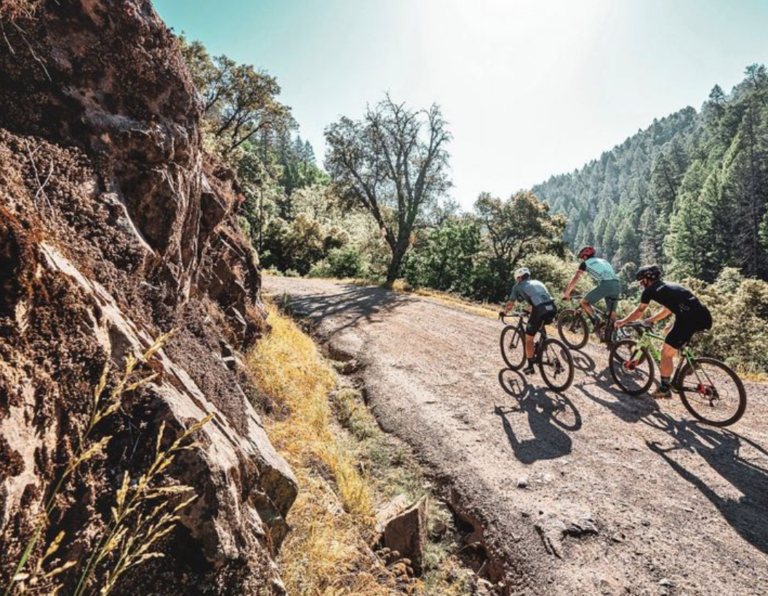
Gravel Races in the Southwest

15 upcoming events

The American Southwest has become one of the most exciting gravel scenes on the continent — and the calendar reflects it. From the slickrock and remote canyon roads of southern Utah to the desert two-track outside Tucson to the high-altitude classics around Flagstaff and Santa Fe, the region runs gravel races nearly year-round. The desert lowlands light up October through April; higher elevations flip to a summer schedule. We track every gravel race we know across California, Nevada, Arizona, New Mexico, and southern Utah — from grassroots community rides to the calendar-anchoring Belgian Waffle Ride and Dirty Kanza-style endurance epics. Filter below to find one that matches your distance and the time of year you want to ride.

Frequently asked

  • When is the best time of year for Southwest gravel?
    Desert lowlands (Phoenix, Tucson, Las Vegas, southern Utah) run October through April. Higher elevations (Flagstaff, Santa Fe, Mammoth, Lake Tahoe area) flip to a summer calendar of June through September. Most race directors plan around heat — virtually no desert events run between mid-May and mid-September.
  • How do I prepare for the heat if I'm coming from a cool climate?
    Heat is the dominant factor in Southwest gravel — even March races in the desert can hit 85°F by midday. Acclimatize for 5–7 days if possible. Hydrate aggressively the week before and start with electrolytes loaded. Pre-race sauna sessions in the two weeks before help more than people realize. Plan to carry 25–50% more water than you would on a same-distance ride elsewhere.
  • How technical is Southwest gravel compared to the Midwest or East?
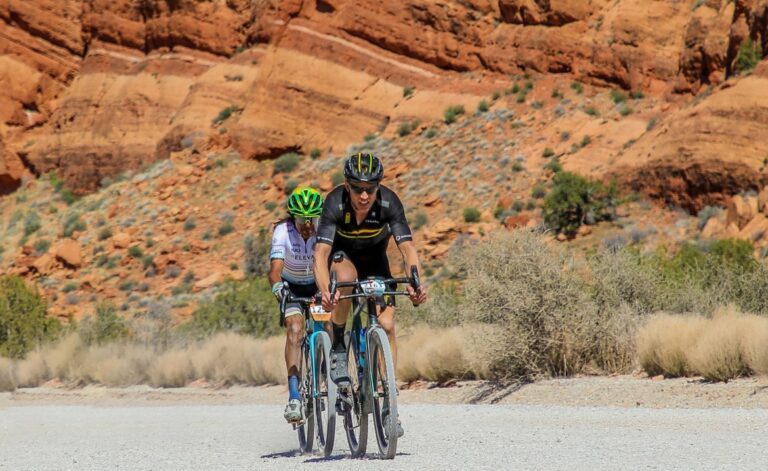
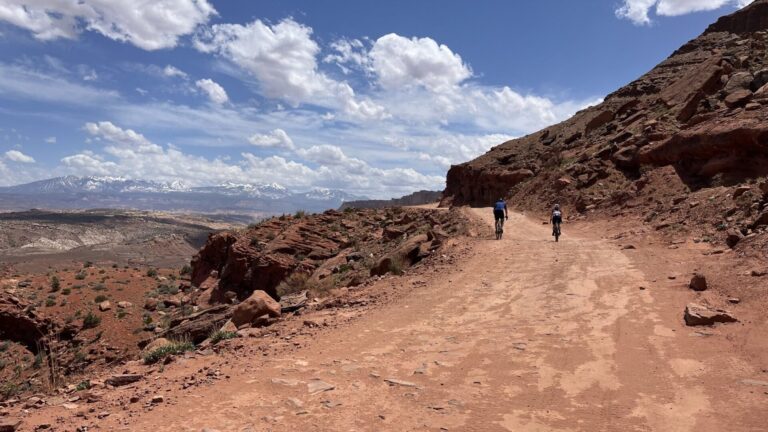
    Generally more technical. Long stretches of loose rocky surface (decomposed granite, scree, sandstone) chew through fast tires. Sections of slickrock in Utah are smooth and confidence-inspiring once you trust them. Sand washes and cactus on the verge are real. Bigger tires (40–45mm minimum, 50mm common) handle the surface variety better than narrow setups.
  • What kind of bike works best in the Southwest?
    A gravel bike with clearance for 45–50mm tires is the right default. For events that include long slickrock or rocky doubletrack sections (Crusher in the Tushar, parts of the BWR Arizona, sections of the Co2UT route), a fast hardtail is faster and more comfortable. Tubeless setup is essential — sharp rocks and cactus debris cause more flats than in any other region.
  • Are there gravel races in the Southwest good for first-timers?
    Yes — look for events with a sub-50-mile option and under 3,000 ft of climbing. Most "endurance" gravel events in the Southwest have shorter route options that are well-supported and beginner-friendly. Avoid anything called "epic," "ultra," or labeled with "200" until you've completed a 60–70 mile event at altitude or in the heat first.
The Radar

New races, in your inbox

A short email when races worth traveling for open registration. No spam, unsubscribe anytime.

We never sell or share your email.